



Katarina Trpčić, Croatia, 2026

Nominator: Danijela Domljan
Nominator's statement
I remember Katarina Trpčić as an exceptionally talented young student in the School of Design at the Faculty of Architecture, University of Zagreb, who attended several of my courses. By the time she earned her Master of Design degree, she already possessed both business and creative experience. Growing up in Ozalj near Karlovac, surrounded by a rich natural and cultural heritage, profoundly shaped her authorial research sensibility. Katarina engages with the concept of home, the relationship between people and objects, and regional identity and heritage, with a strong interest in handicraft and learning through natural materials. Katarina's products convey a personal story, sincerity, and remarkable emotional depth, to which she contributes both conceptually and in design, as well as creatively and productively. In her work, she explores the processing of various materials and production techniques. It is difficult to single out just one of Katarina's works, so with this nomination, I wish to highlight her originality, uniqueness, emotionality, use of natural materials, subtle and elegant aesthetics, bold exploration of materials, and her return to nature and heritage – traditional values that fit perfectly into the everyday lives of each of us, especially in a stressful environment where we may have somewhat forgotten our value systems.
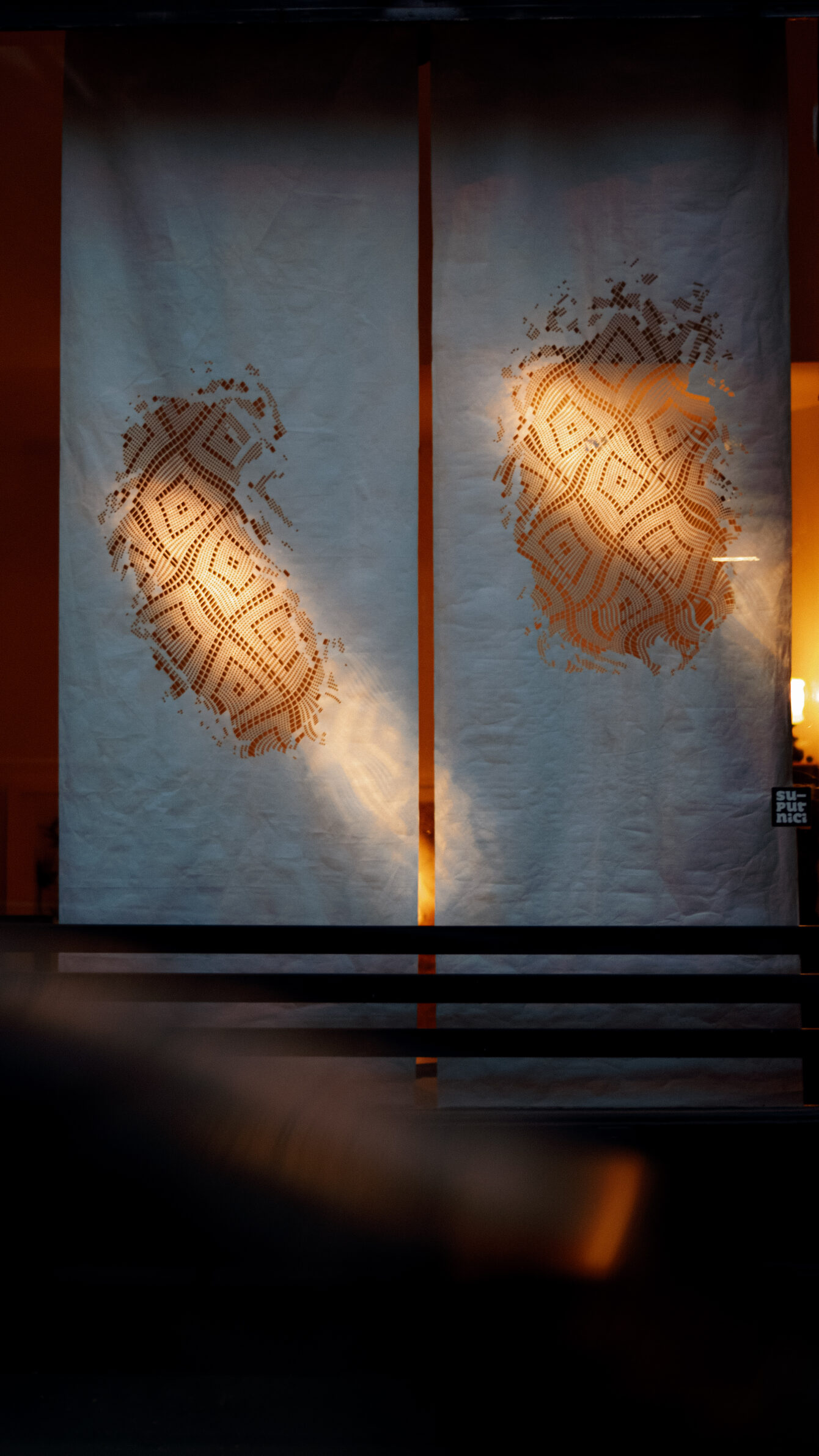
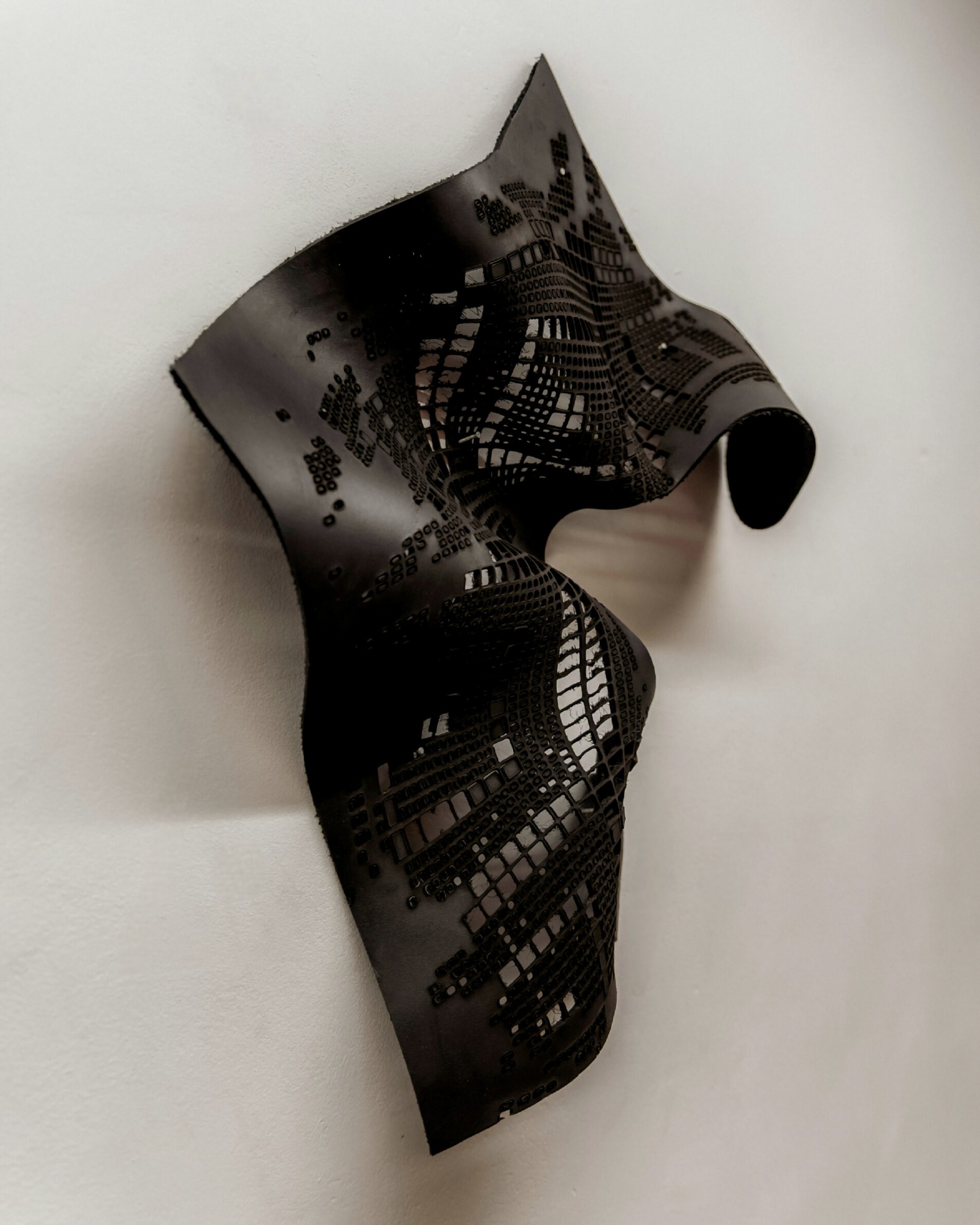
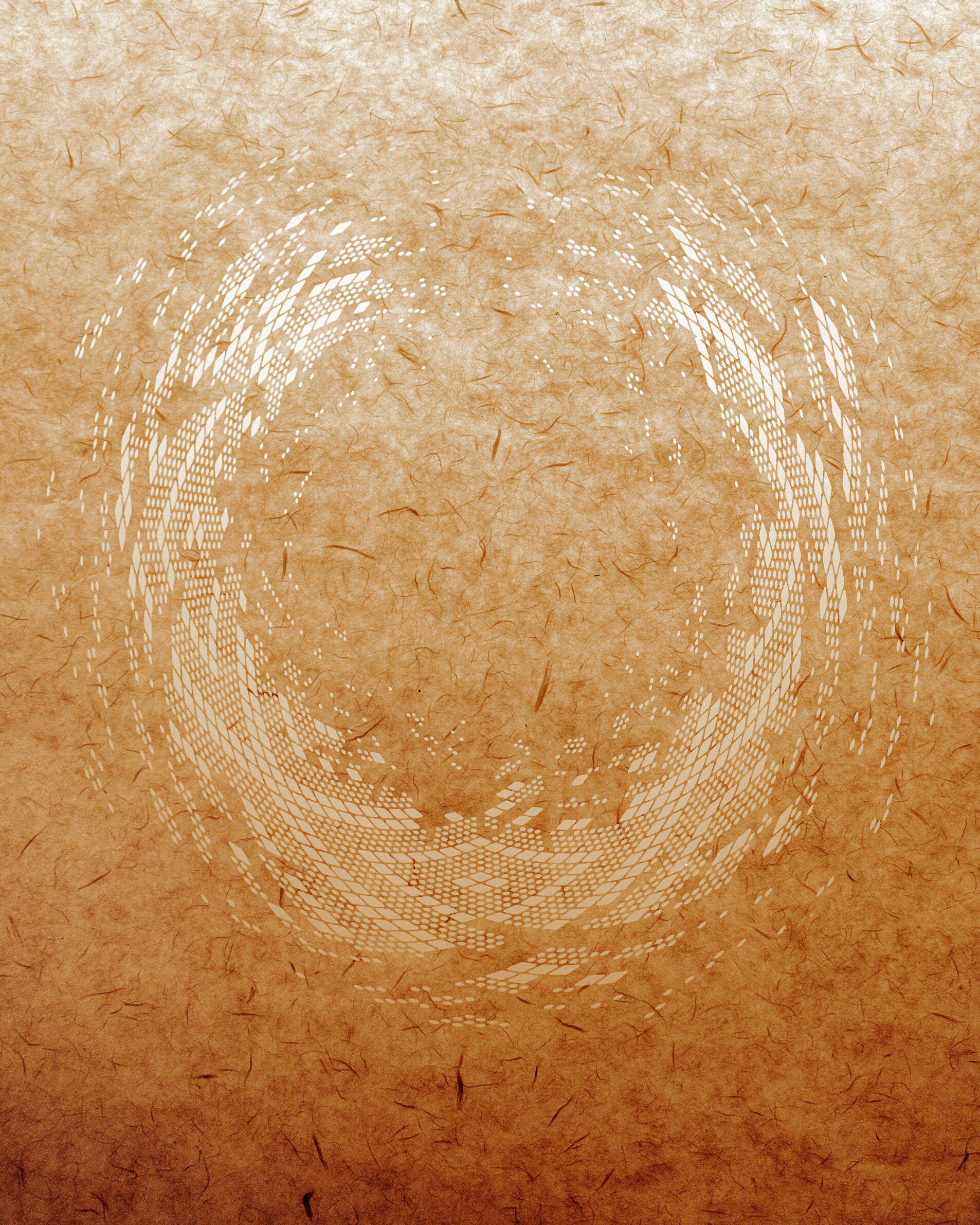
JALBA - RESEARCH & REDESIGN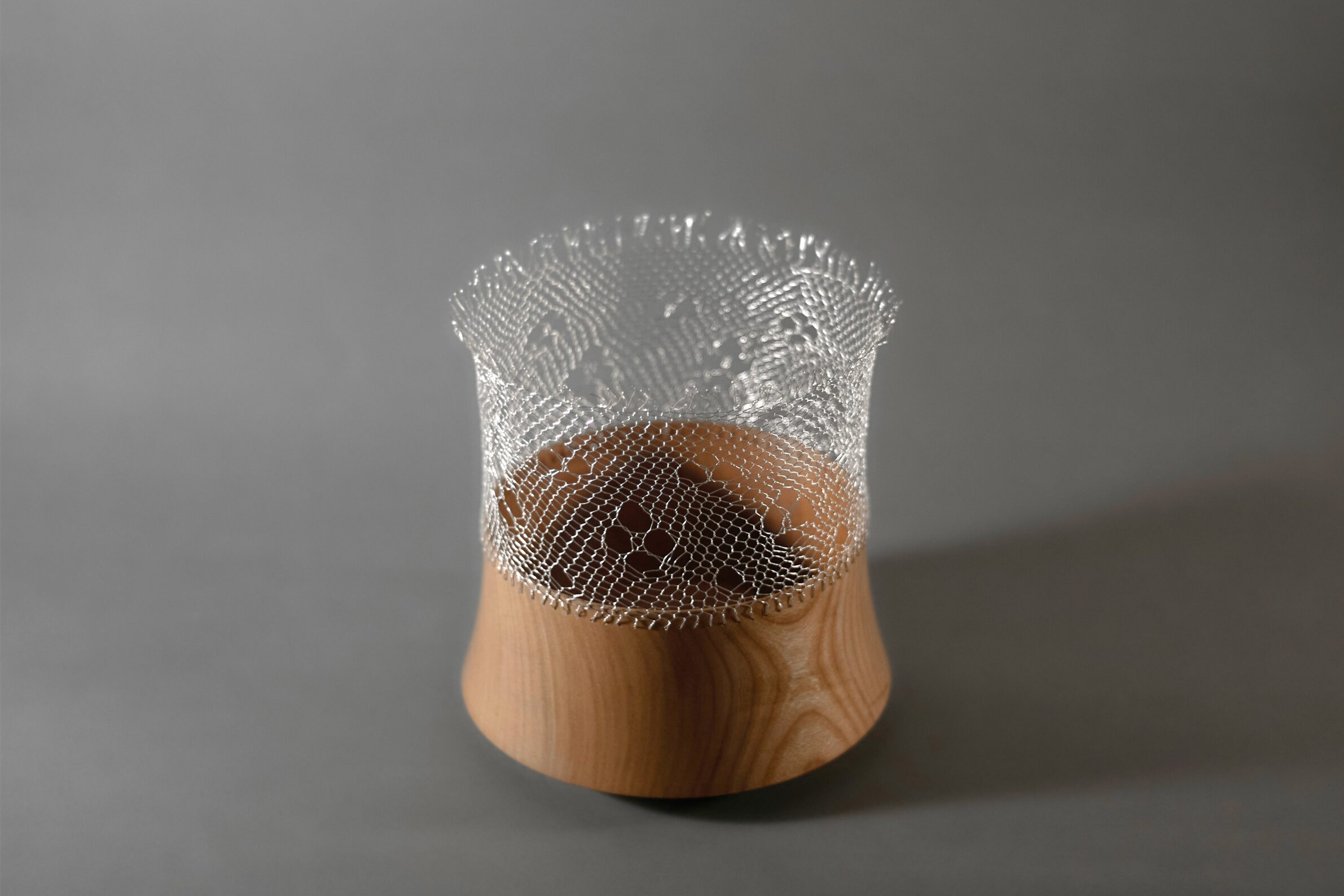 The Jalba research project draws inspiration from a traditional headpiece from the Ozalj region of Croatia, known as the trška jalba. In local culture, this object carries layered meanings and requires a highly specific craft technique that has survived thanks to the rare women who still know how to produce it by hand. Although the original piece demands a precise manual method, the project explores the possibility of recreating jalba using entirely new materials and contemporary technologies.
The research began with experiments on a thin wire, forming a rigid structure capable of standing independently. This approach tests the idea that the jalba can evolve beyond a small lace-like ornament traditionally woven within a wooden frame. By introducing laser cutting for greater precision and efficiency, the project expands the object's formal and material possibilities while preserving its defining qualities. Even when produced using contemporary techniques, Jalba retains its minimalist elegance, derived from a strict geometric and mathematical grid. Redesign of Jalba expands the possibilities of material, opening new directions between fashion and product design. Featured in Vogue Adria.
NAŠE - REIMAGINING TRADITIONAL TABLEWARE
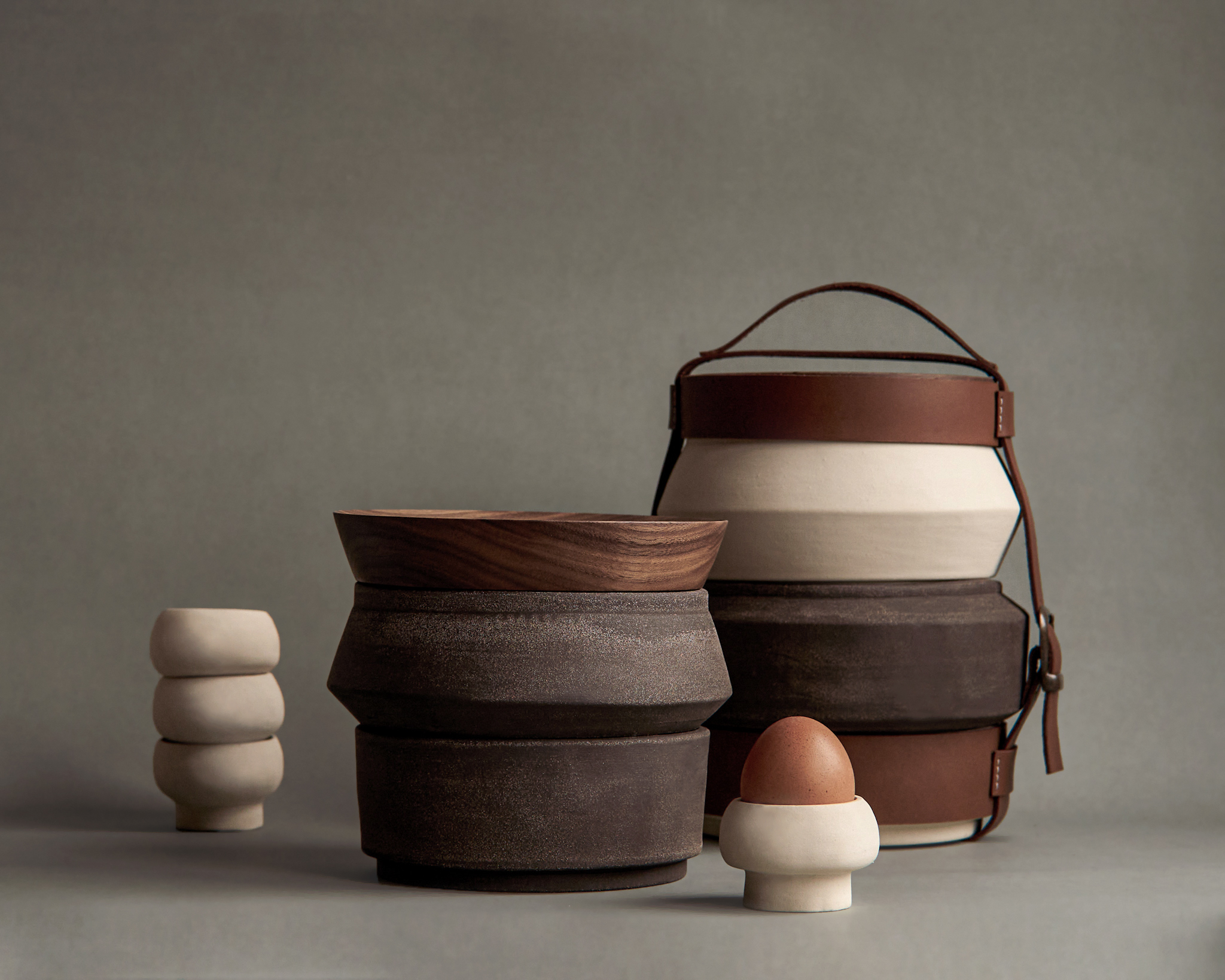
Through psychological, historical, cultural, and personal perspectives on the meaning of home, this graduation project explores the need for a sense of belonging during life transitions. These moments, along with questions of possession and inheritance, open a dialogue about the relationship between people and home; its past and future, tradition and contemporary life, and the balance between spirituality and materiality in the Balkan context.
Family gatherings are when the feeling of home is strongest. Objects such as jewelry and festive tableware traditionally mark important life events and are often passed down, becoming valued carriers of memory.
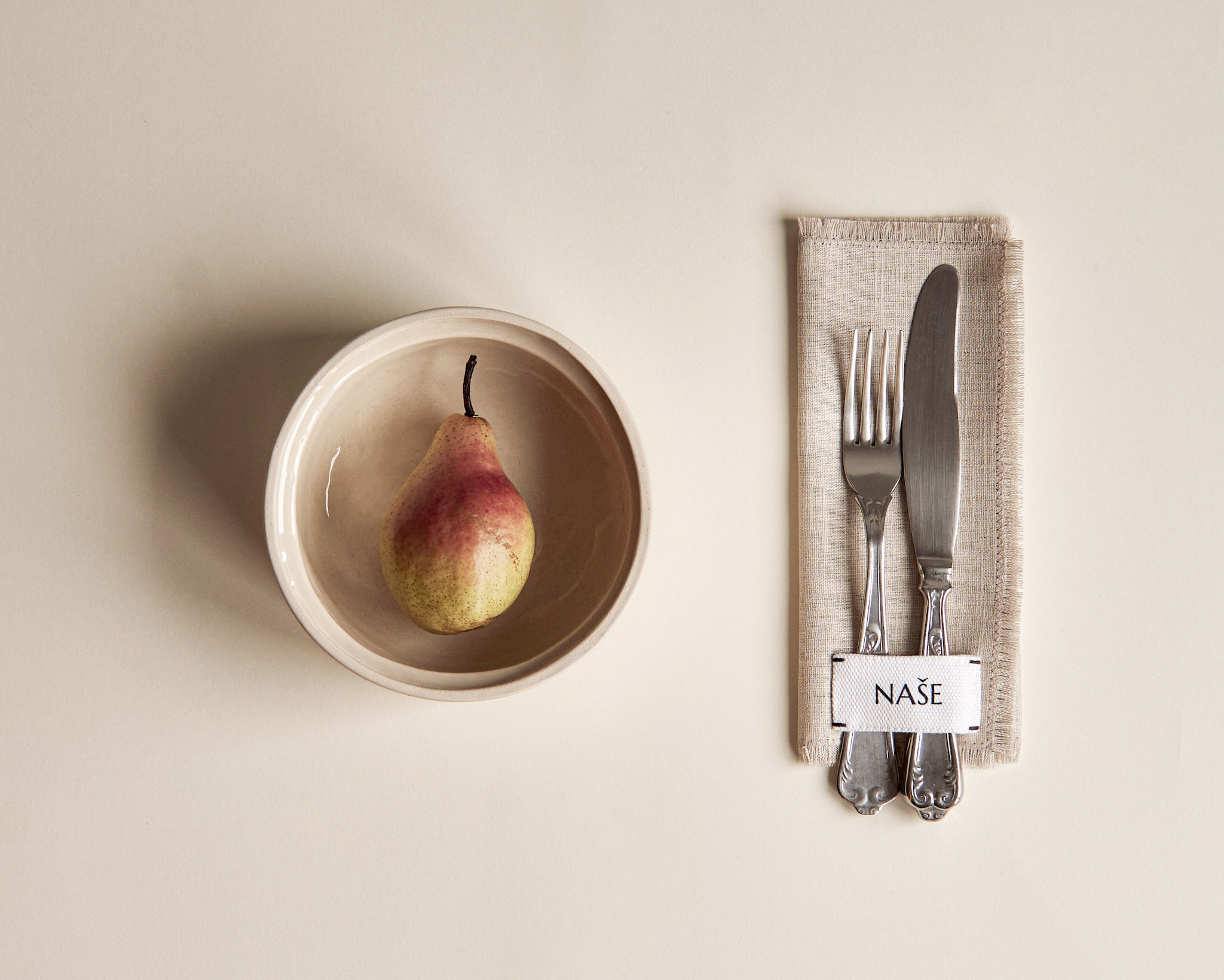
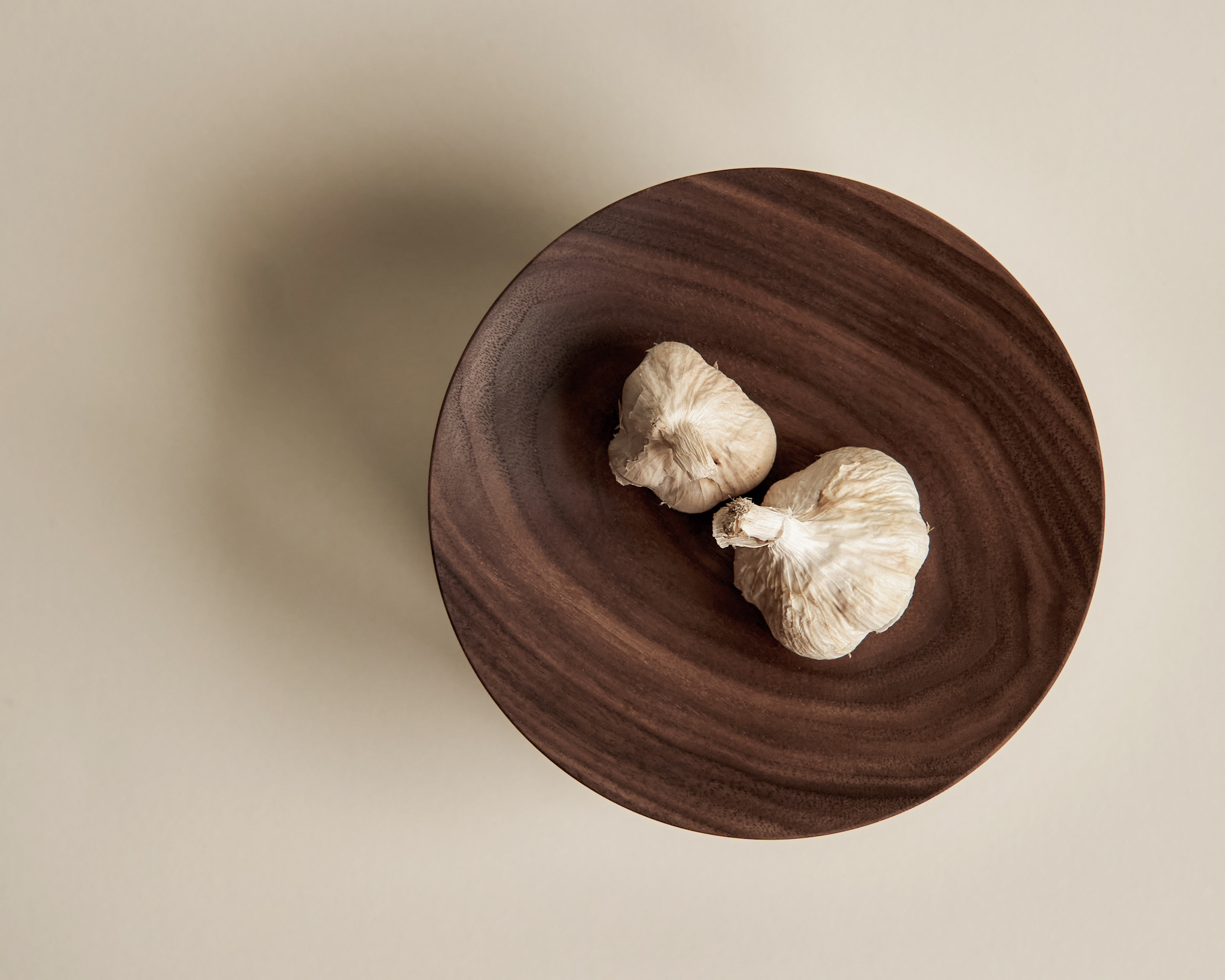
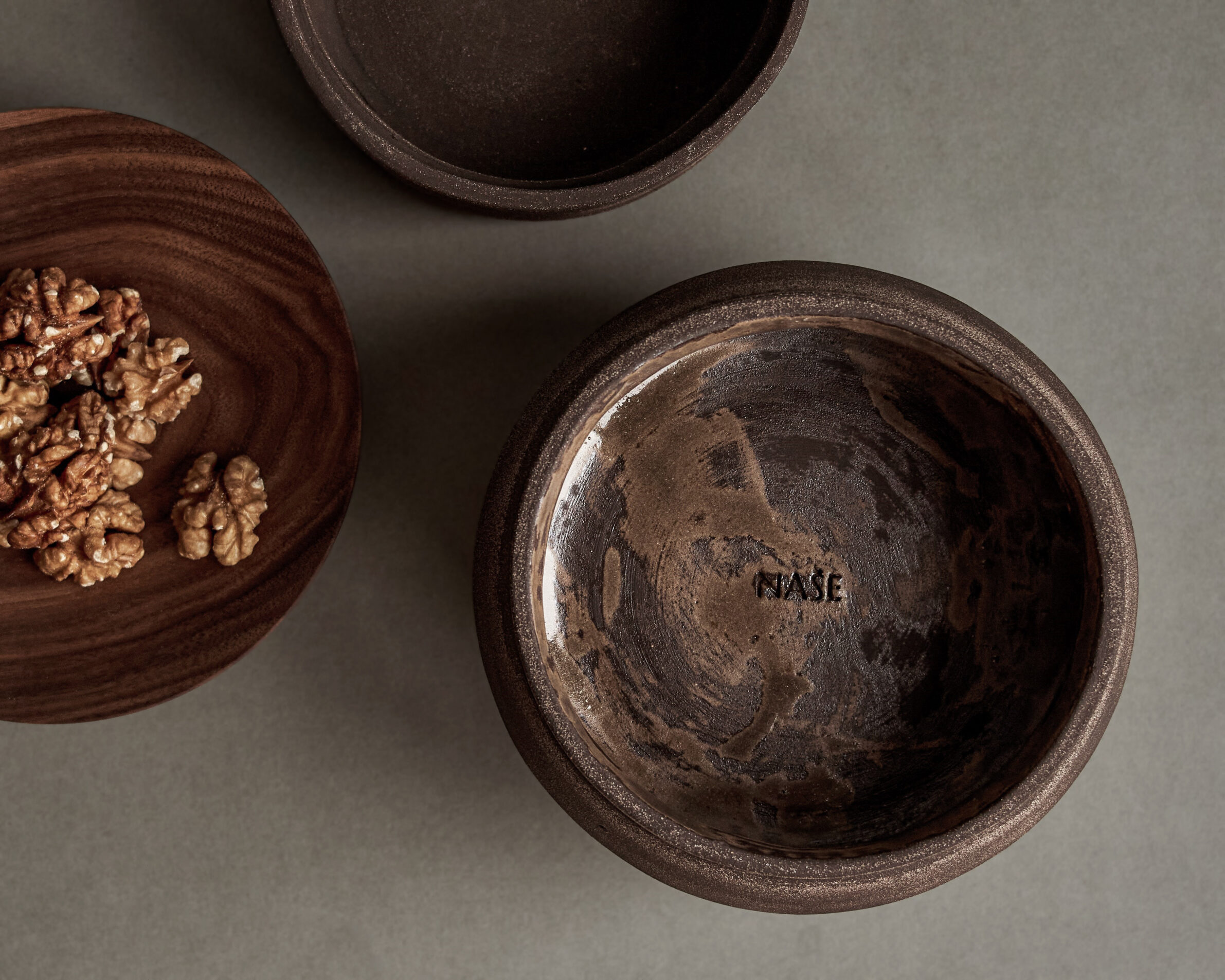
“Naše / Ours” emerges from this research as a set of objects for gifting during major life milestones. Designed for the dining or living room, the modular elements form a totem when assembled and transform into functional pieces; bowls, trays, containers, and stands, creating a timeless framework for shared rituals and memories.
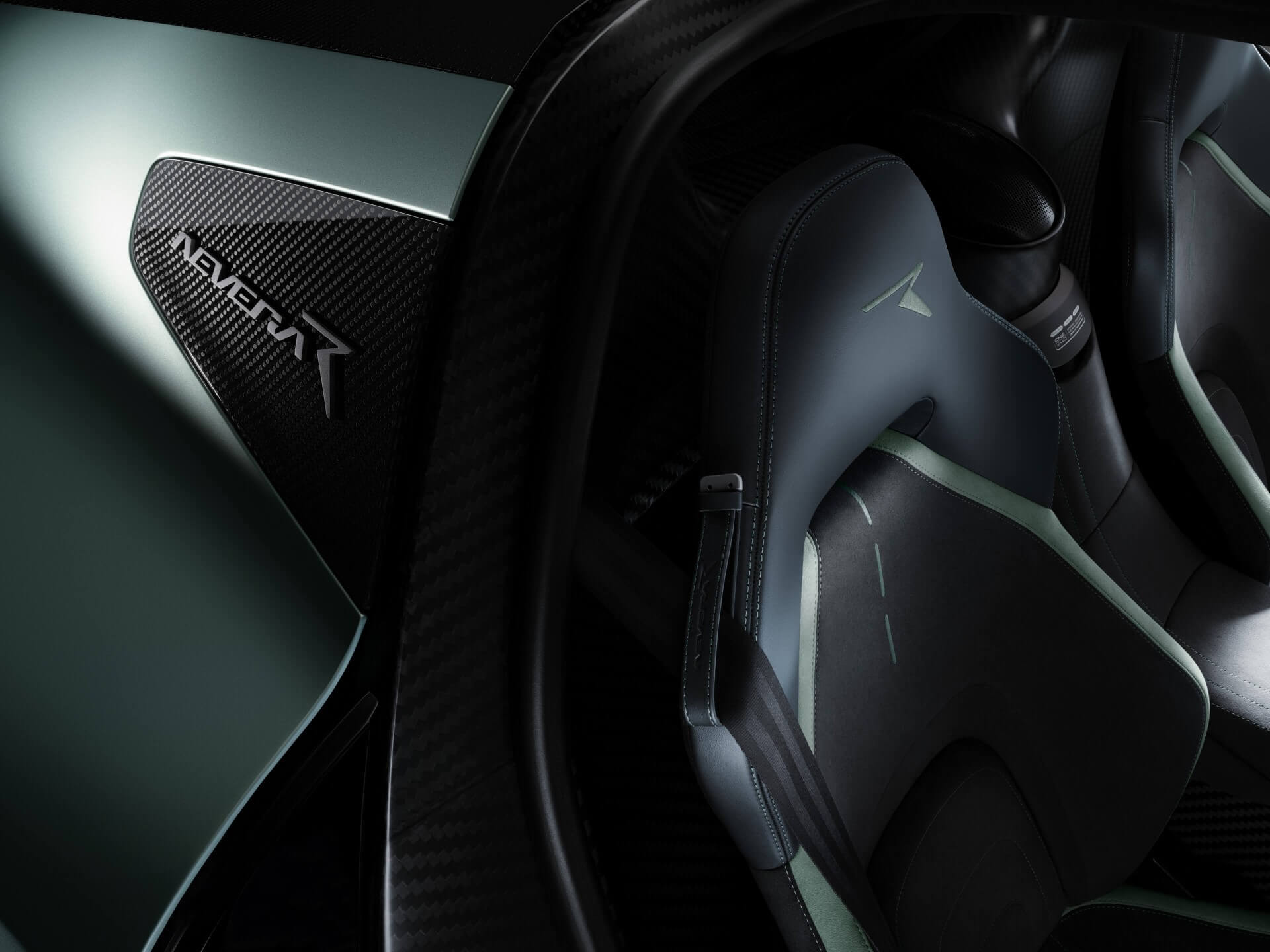
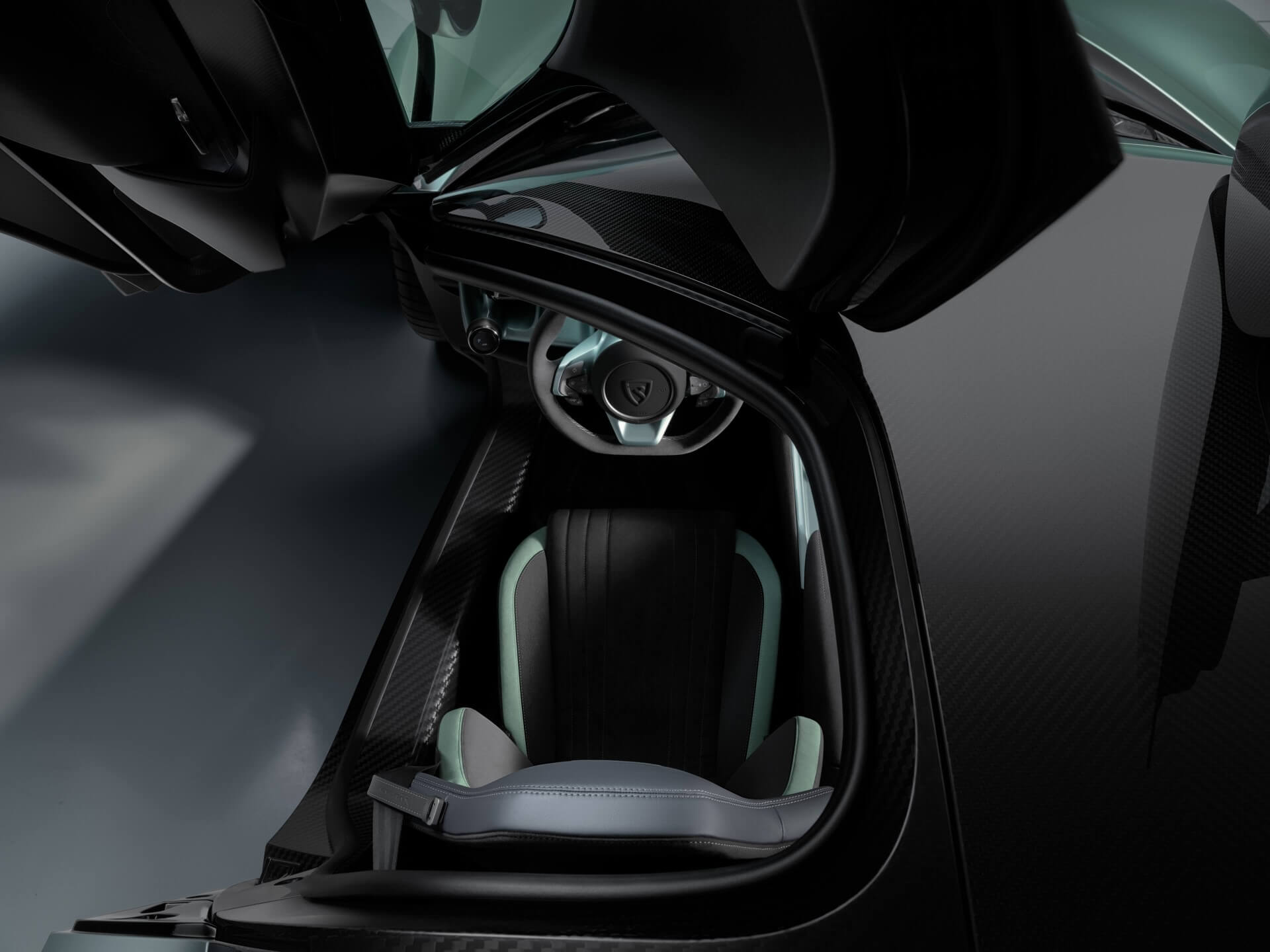
RIMAC NEVERA R - COLOR, MATERIAL & FINISH DESIGN

Embodying Rimac Automobili’s philosophy of being Radical, Rebellious, and Relentless, the Nevera R reflects the engineering upgrades and advanced technology beneath its surface, creating a more powerful and focused member of the Nevera family. Led by Exterior Designer Facundo Elias, its design combines flowing, silk-like elegance with exposed functional areas, expressing a performance-oriented aesthetic. Evolving the groundbreaking Nevera from Hyper GT to Hyper Sportscar, the Nevera R earned a Red Dot Award for Product Design 2025, recognized for its exceptional quality and innovation. Katarina’s work focused on CMF design, creating a fresh aesthetic with more zones for customer personalization and developing a bold new color & finish palette led by the futuristic Nebula Green, marking a new era for the Rimac brand, shaping the car’s visual identity and sales configuration strategy.


KATARINA TRPČIĆ
Katarina Trpčić (1998, Karlovac) is an interdisciplinary designer based in Zagreb. Growing up in Ozalj, surrounded by a natural landscapes and rich cultural heritage, profoundly shaped her creative sensibility.
She graduated in Industrial Design from the School of Design at the Faculty of Architecture in Zagreb. Following her studies, she began her career in the automotive and furniture industries, gaining experience with complex large-scale production systems and manufacturing processes.
She currently works in an agency focused on visual communication design while also developing her independent practice through Bagrem Studio. Her work has been presented at national and international design festivals and exhibitions, including the renowned Salone del Mobile in Milan.
Through her authorial research, Trpčić explores the concept of home, the relationship between people and objects, and questions of regional identity and heritage. Her practice reflects a strong interest in craftsmanship and learning through direct engagement with natural materials.
Contact
katarinatrpcic98@gmail.com
Powered by